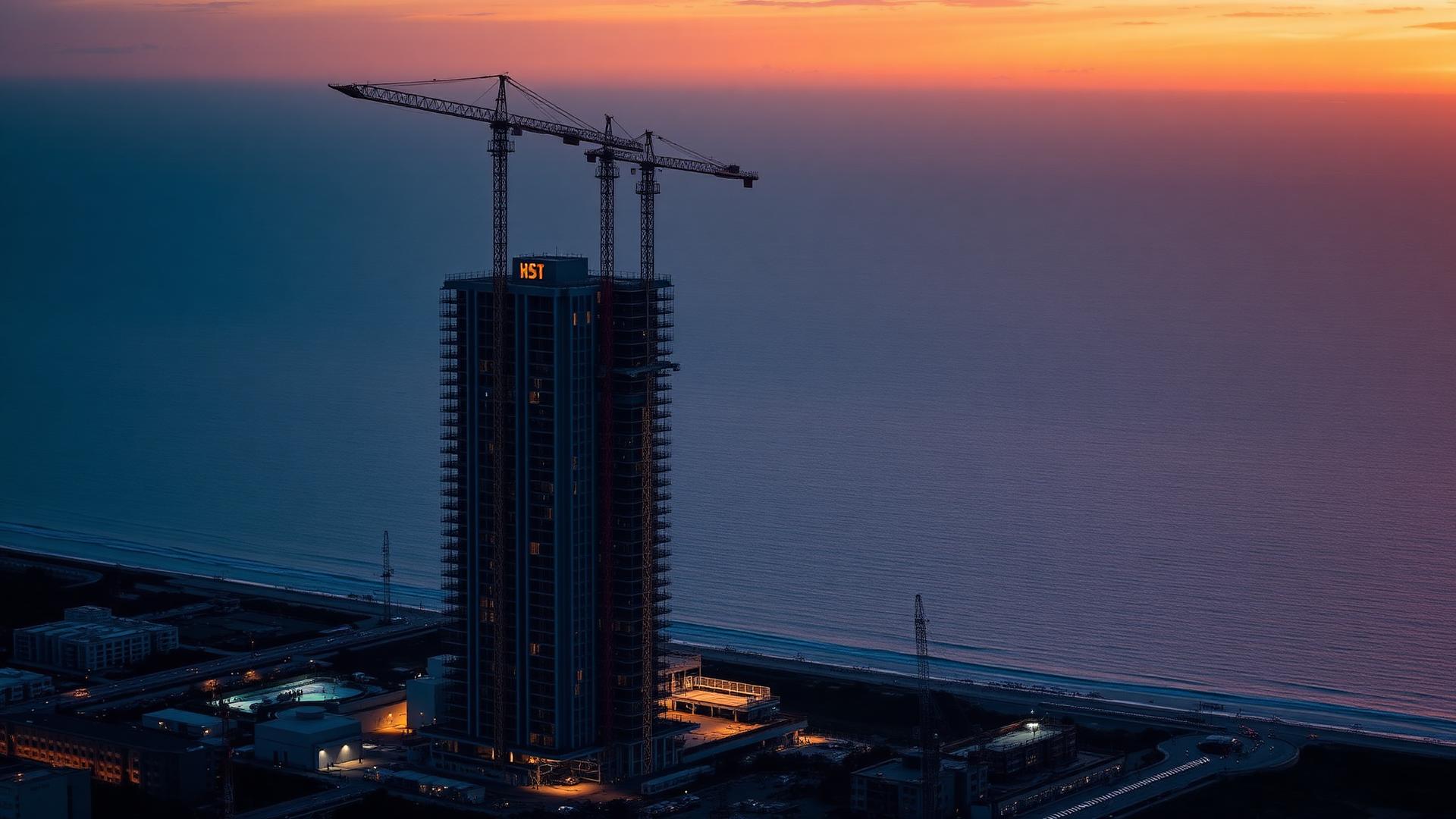
Building Resilient Coastal Dreams
Environmental Safety in Beachfront High-Rise Development
The allure of oceanfront living has never been stronger. From Miami's glittering condominium towers to Malibu's architectural masterpieces, coastal real estate represents the pinnacle of luxury living. Yet beneath the glamour lies a complex challenge: how do we construct these beachfront monuments while protecting both the environment and the safety of future residents? Modern construction engineering has evolved to answer this question through innovative practices that merge environmental consciousness with structural integrity.
The Rising Stakes of Coastal Construction
Coastal construction faces unprecedented challenges in 2025. Rising sea levels, increasingly severe hurricanes, and coastal erosion threaten billions of dollars in beachfront property. The construction industry has responded with a paradigm shift, recognizing that environmental protection and structural safety are not competing interests but complementary goals. Engineers now understand that respecting natural coastal systems creates more resilient, longer-lasting structures.
The statistics demand attention. NOAA reports that coastal flooding causes over $5 billion in annual property damage, while poorly planned development accelerates beach erosion by up to 30%. These realities have transformed how developers, architects, and engineers approach beachfront projects, making environmental engineering as critical as structural engineering.
Foundation Innovation: Building on Sand Sustainably
The foundation represents where environmental consciousness meets engineering excellence most dramatically. Traditional pile-driving methods, while effective for stability, can disrupt marine ecosystems and destabilize surrounding properties. Modern helical pier systems offer an alternative, screwing into the substrate with minimal vibration and soil displacement. These systems reduce construction noise pollution by 60% and eliminate the sediment plumes that damage coral reefs and seagrass beds.
Elevated foundations have become standard practice for both high-rises and luxury mansions. By raising structures 12-20 feet above grade, engineers create flood resilience while allowing natural tidal flows and wildlife movement beneath buildings. This approach, mandated in many coastal jurisdictions, protects against storm surge while preserving the beach ecosystem's natural drainage patterns.
Engineers increasingly employ geotextile barriers and bio-retention systems during foundation work. These materials filter construction runoff, preventing sediment and chemical contamination of coastal waters. The integration of these systems from day one demonstrates how environmental protection enhances rather than impedes construction efficiency.
Stormwater Management: Mimicking Nature
Perhaps nowhere is environmental engineering more critical than in stormwater management. Traditional drainage systems that simply channeled water to the ocean have given way to sophisticated green infrastructure. Permeable pavers, rain gardens, and bioswales now grace the landscapes of luxury beachfront properties, serving dual purposes as both aesthetic features and functional water management systems.
High-rise developments incorporate blue-green roofs—vegetated systems that capture and slowly release rainwater. These installations reduce stormwater runoff by up to 80% while providing insulation that decreases energy consumption. The Miami Beach Convention Center's recent renovation showcased this approach, installing a 1.4-acre green roof that manages 1.7 million gallons of stormwater annually while reducing urban heat island effects.
Underground cisterns and rainwater harvesting systems have become standard in luxury coastal construction. These systems capture roof runoff for landscape irrigation, reducing both freshwater consumption and the pollution load entering coastal waters. A typical beachfront mansion can harvest 40,000-60,000 gallons annually, significantly reducing its environmental footprint.
Material Selection: Durability Meets Sustainability
Environmental consciousness in coastal construction extends to material selection, where durability and sustainability converge. Marine-grade stainless steel, recycled aluminum, and engineered lumber from sustainably managed forests have replaced traditional materials that corrode quickly or require frequent replacement. This shift reduces both environmental impact and long-term maintenance costs.
Cross-laminated timber (CLT) has emerged as a game-changing material for mid-rise coastal construction. This engineered wood product offers strength comparable to concrete while sequestering carbon and weighing significantly less. Reduced weight means smaller foundations and less site disturbance. Several pioneering coastal projects have demonstrated CLT's viability, including oceanfront structures designed to withstand Category 5 hurricanes.
Low-carbon concrete formulations incorporating recycled aggregates and supplementary cementitious materials reduce the carbon footprint of high-rise construction by up to 40%. These advanced mixes maintain the strength and durability required for coastal environments while significantly decreasing greenhouse gas emissions. The material revolution in coastal construction proves that environmental responsibility and structural performance are fully compatible objectives in modern engineering.
The Future of Coastal Living
As climate challenges intensify, the construction industry's commitment to environmental safety practices will only grow stronger. Today's beachfront high-rises and mansions stand as testaments to human ingenuity—structures that honor both our desire for coastal living and our responsibility to protect the natural systems that make such living possible. The future belongs to builders who understand that the ocean is not just a view, but a neighbor deserving of respect and protection.
© 2025 Clear Channel Magazine. All rights reserved.
Environmental Construction Engineering Feature