Training Your Mind to Be Stronger Than Your Feelings
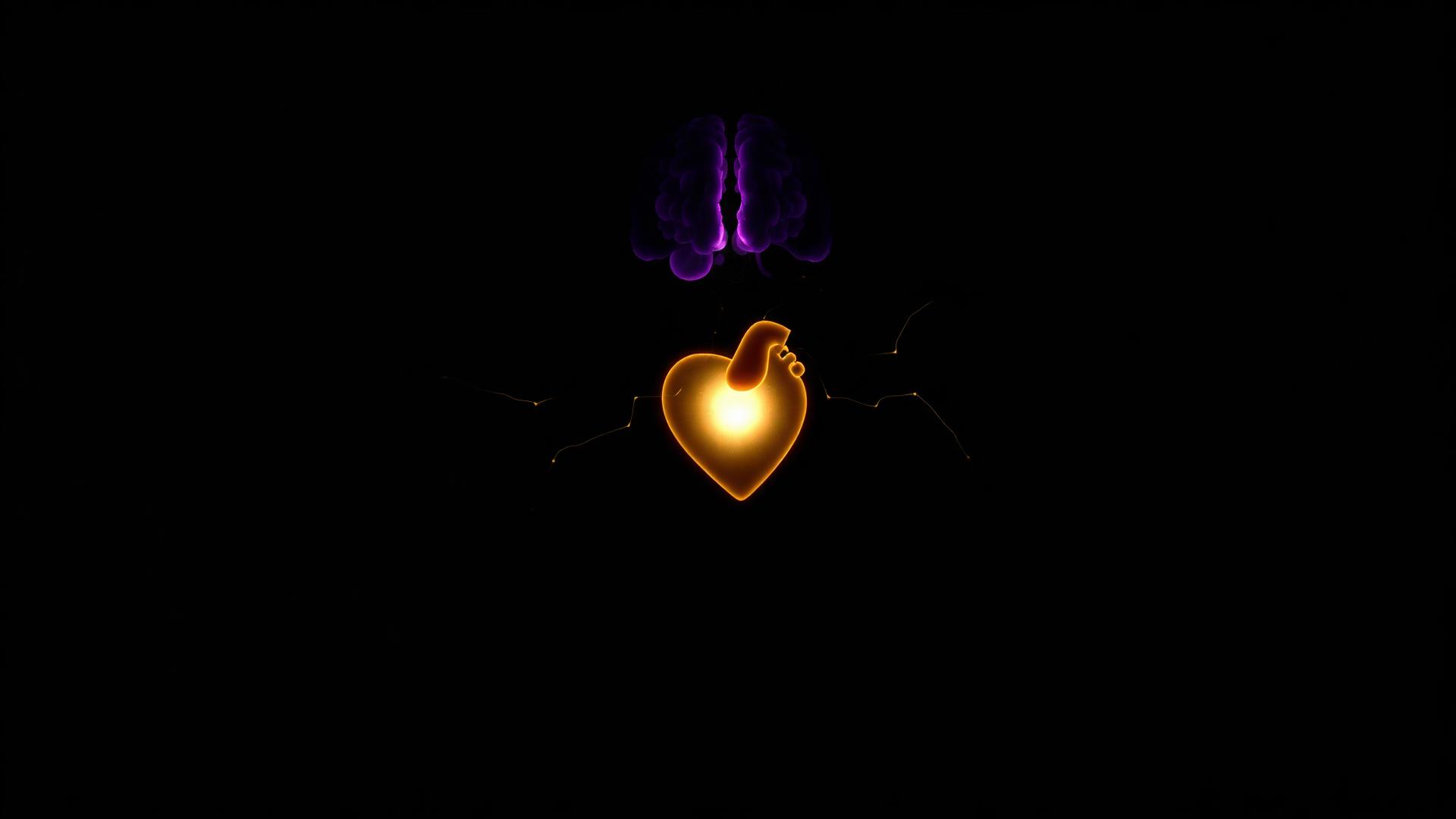
Clear Channel from the Head to the Heart
We've all been there—standing at the crossroads between what we know we should do and what we desperately want to do. The alarm goes off at 5 AM for that morning workout, but your bed feels impossibly warm. You know you should have the difficult conversation with your partner, but fear whispers that silence is safer. You understand that scrolling social media at midnight won't help your anxiety, yet your thumb keeps moving.
This is the eternal struggle between mind and emotion, between rational thought and raw feeling. And while emotions are essential, beautiful parts of being human, allowing them to dominate every decision can lead us away from the life we're trying to build.
The Tyranny of Unchecked Feelings
Feelings are powerful forces. They arrive uninvited, often overwhelming, and they don't care about your plans, goals, or values. Anxiety tells you to avoid. Anger demands immediate action. Sadness insists nothing will ever improve. These emotions aren't inherently wrong—they're messengers, carrying important information about our needs and experiences.
But here's the problem: feelings are terrible leaders. They're reactive, impulsive, and shaped by our past traumas and conditioning. When we let emotions drive the bus, we often end up somewhere we never intended to go. We lash out at people we love. We quit when success is just around the corner. We choose comfort over growth, again and again, until our dreams become distant memories.
The person who trains their mind to be stronger than their feelings doesn't suppress emotion or become cold and robotic. Instead, they create a clear channel between head and heart—a pathway where emotions can be acknowledged, understood, and then guided by wisdom rather than allowed to run wild.
Building the Clear Channel
Creating this clear channel from head to heart is like building a highway through dense forest. It takes intentional effort, consistent practice, and patience with yourself when you inevitably take detours.
The first step is awareness. You cannot manage what you don't notice. Start paying attention to the moments when feelings hijack your decision-making. Notice the tightness in your chest before you send an angry text. Observe the heaviness that makes you want to stay in bed instead of pursuing your goals. This isn't about judgment—it's about becoming a curious observer of your own inner landscape.
Next comes the pause. Between stimulus and response lies a gap, and in that gap lies your power. When a strong emotion rises, practice pausing before acting on it. Take three deep breaths. Count to ten. Go for a walk. This pause isn't about denying the feeling—it's about giving your rational mind time to come online and participate in the decision.
During this pause, ask yourself powerful questions: "What is this emotion trying to tell me?" "What would my wisest self do right now?" "Will acting on this feeling bring me closer to or further from the person I want to become?" These questions create space between you and the emotion, reminding you that you are not your feelings—you are the one experiencing them.
The Practice of Mental Strength
Like physical strength, mental strength is built through consistent training. Every time you choose the harder right over the easier wrong, you're strengthening your mind. Every time you do the thing you committed to doing despite not feeling like it, you're building discipline. Every time you respond thoughtfully instead of reacting emotionally, you're clearing that channel.
This doesn't mean ignoring your emotions or becoming a stoic robot. Your feelings provide valuable data about your experiences and needs. Fear might be warning you of genuine danger. Sadness might be telling you that you need rest and connection. Anger might be highlighting a boundary violation that needs addressing.
The key is learning to listen to emotions without being controlled by them. Think of your mind as a wise elder and your emotions as enthusiastic children. The children have important things to say, and they deserve to be heard with compassion. But you wouldn't let a five-year-old make all your life decisions, no matter how loudly they're crying for candy.
The Freedom on the Other Side
When you train your mind to be stronger than your feelings, something remarkable happens: you become free. Free from the exhausting rollercoaster of emotional reactivity. Free from the regret that comes from impulsive decisions. Free to choose your responses based on your values rather than your momentary emotional state.
This freedom doesn't mean you feel less—if anything, you might feel more deeply because you're no longer afraid of your emotions. You know you can experience intense feelings without being destroyed by them. You can feel fear and still move forward. You can feel sadness and still find moments of joy. You can feel angry and still respond with wisdom.
The clear channel from head to heart isn't about disconnection—it's about integration. It's about creating a partnership between your rational mind and emotional heart, where both have a voice but wisdom has the final say. It's about honoring your feelings while not being enslaved by them.
Your Daily Practice
Start small. Choose one area where emotions typically override your better judgment. Maybe it's hitting snooze, scrolling mindlessly, eating emotionally, or avoiding difficult conversations. Commit to pausing before acting in that one area. Notice the feeling, acknowledge it, thank it for the information it's providing, and then choose your response based on who you want to become.
Some days you'll nail it. Other days you'll react before you even realize what's happening. That's okay. This is a practice, not a perfection. Every moment offers a new opportunity to strengthen your mind, to clear that channel, to choose wisdom over impulse.
Your feelings will always be part of you, and that's beautiful. They make you human, compassionate, and alive. But they don't have to be in charge. Train your mind to be stronger—not by suppressing emotion, but by creating a clear, open channel where feelings can flow through you, inform you, and then allow you to choose your path forward with intention and wisdom.
The life you want is on the other side of this practice. And you're stronger than you think.
Leadership Excellence Institute
Where integrity meets innovation in executive leadership