From the Hull
to the Heart
Inside the executive lifestyle of 2026 — where Porsche, Lamborghini, and Armani meet the open water, and where speed, finally, has to answer to stillness.
Business & Financial Services Edition · Executive Lifestyle
The Brief
There is a particular silence that arrives the moment an engine cuts on open water. The wake settles. The horizon stops moving. And for a man or woman who has spent a career outrunning stillness — building, closing, scaling — that silence can feel less like luxury and more like an interruption.
This is the paradox of the 2026 boat show season: an industry built entirely on velocity, designed by the same hands that build hypercars, is quietly becoming one of the most honest classrooms for the inner work that the Channel has always pointed toward — the long, unglamorous passage from the head to the heart.
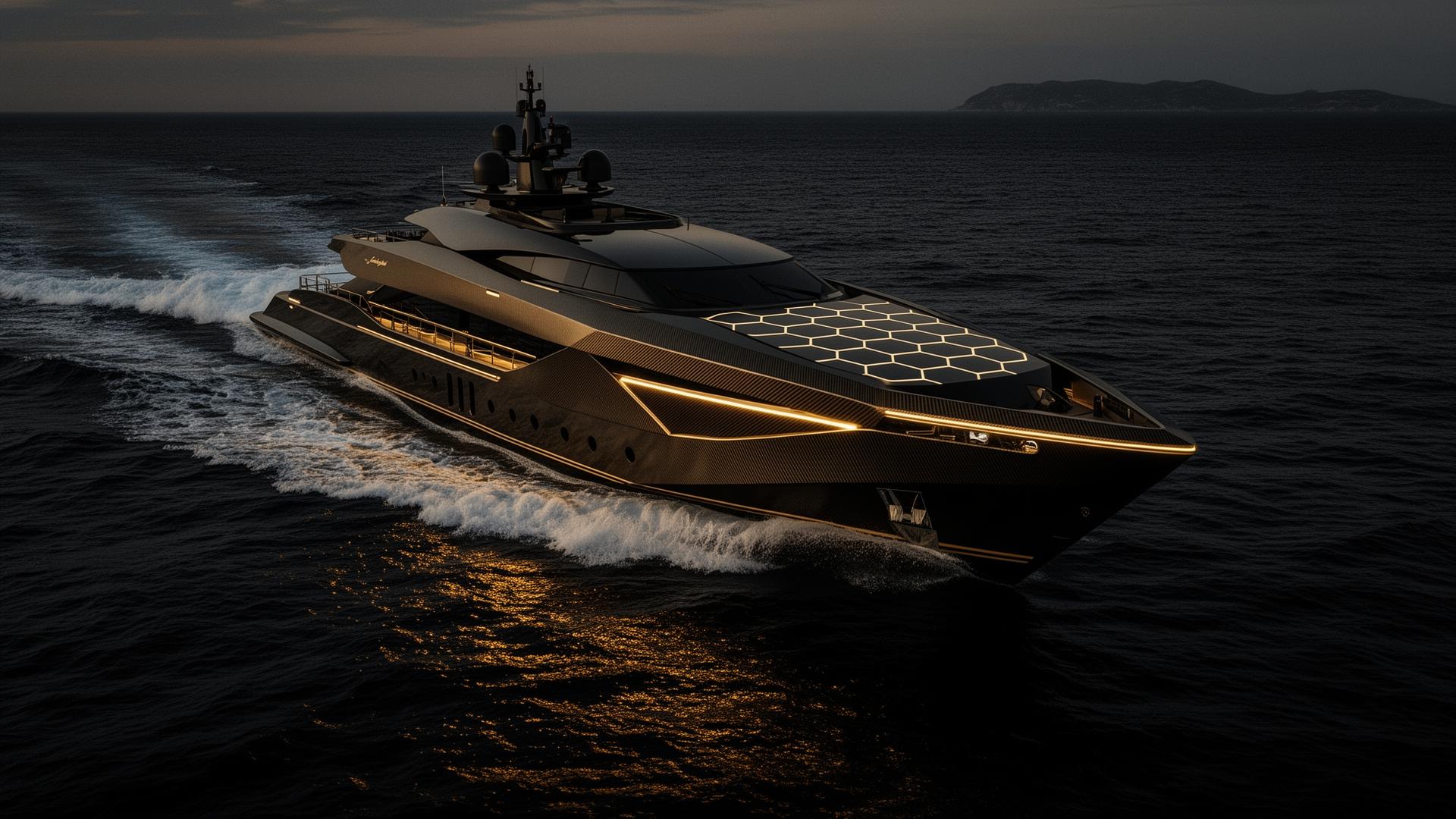
This year's circuit — Düsseldorf in January, Palm Beach in March, Dubai and Venice in April, Cannes and Monaco later in the season — has made the connection between automotive performance and maritime craft impossible to ignore. Porsche and its collaboration partner Frauscher continued their joint presence at boot Düsseldorf 2026, the world's largest boat and watersports show, engaging an audience that combines automotive and maritime passion. It is no longer a stretch to say the same person who wants a Porsche in the garage now wants a Porsche-engineered hull beneath their feet.
Chapter I
The Engineer's Confession
At Düsseldorf, alongside the premiere of a new fully electric sports boat, two visionary concept cars took center stage — the Macan Turbo Concept Lago and the Cayenne Electric — with design details that crossed deliberately between worlds: yacht-style real wood trim, marine-grade textiles inside the cabin, and a compass set into the dashboard where a stopwatch would normally sit. A compass instead of a stopwatch. Sit with that substitution for a moment, because it is the entire thesis of this piece.
A stopwatch measures how fast you got somewhere. A compass tells you whether you are still pointed toward anything at all. Every tradition the Channel draws from — the Stoic discipline of examining one's direction each evening, the Sufi attention to the qibla of the heart, the contemplative Christian practice of discernment, the Buddhist return to right intention — eventually arrives at the same instrument. Not speed. Orientation.
The Porsche-Frauscher partnership is not subtle about this. The design philosophy explicitly merges E-Performance engineering with maritime craftsmanship, extending the cross-brand approach down to the smallest details — and the Frauscher x Porsche 790 Spectre, once a design study, is now available to order. A car company building boats is not an act of market expansion. It is an admission. The engineers who spent a century perfecting acceleration are now selling deceleration, and charging handsomely for it.
Chapter II
The Bull on the Bow
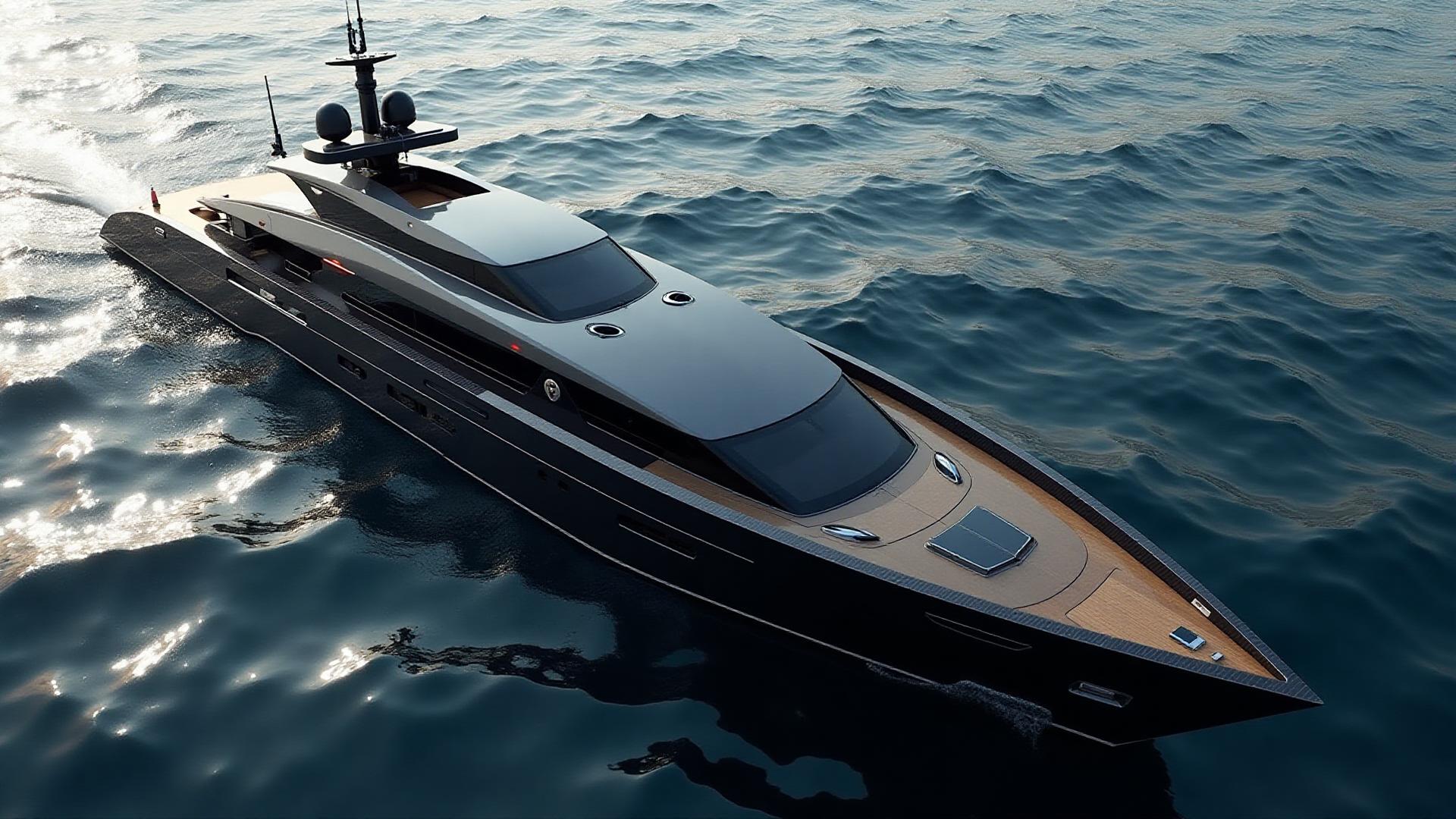
If Porsche's contribution to 2026 is quiet recalibration, Lamborghini's is unapologetic confrontation. The Tecnomar for Lamborghini program — the limited production run translating the spirit of the Sián FKP 37 hypercar into a hull — remains the loudest argument on the water. Born from the collaboration between Tecnomar and Automobili Lamborghini, the latest evolution, the LY63, carries twin V12 engines delivering nearly 4,000 horsepower, capable of speeds up to 63 knots — placing it among the fastest luxury yachts in its class.
There is something instructive in a boat that refuses to slow down even on water — water being, in nearly every contemplative tradition, the very symbol of surrender, of going with rather than against. The original Tecnomar 63 was built in a run of only sixty-three units, each one styled to mirror the Lamborghini Sián supercar in both silhouette and swagger, and it found its most famous owner in a mixed martial arts champion who called the boat the reward for "proper life choices."
That phrase — proper life choices — is worth pausing on, because it reveals the trap so many high achievers fall into. We tell ourselves that arrival is the proof of righteousness. That if we have built correctly, the yacht is the evidence. But the Channel's working premise has always been the opposite: the boat is not the reward for the inner work. It is, if you let it, an invitation to finally begin it. The engine cuts. The horizon stops moving. And the question that the deal-closing, market-timing, always-optimizing mind has been outrunning for twenty years finally catches up: now what do I feel?
Chapter III
The Armani Hull
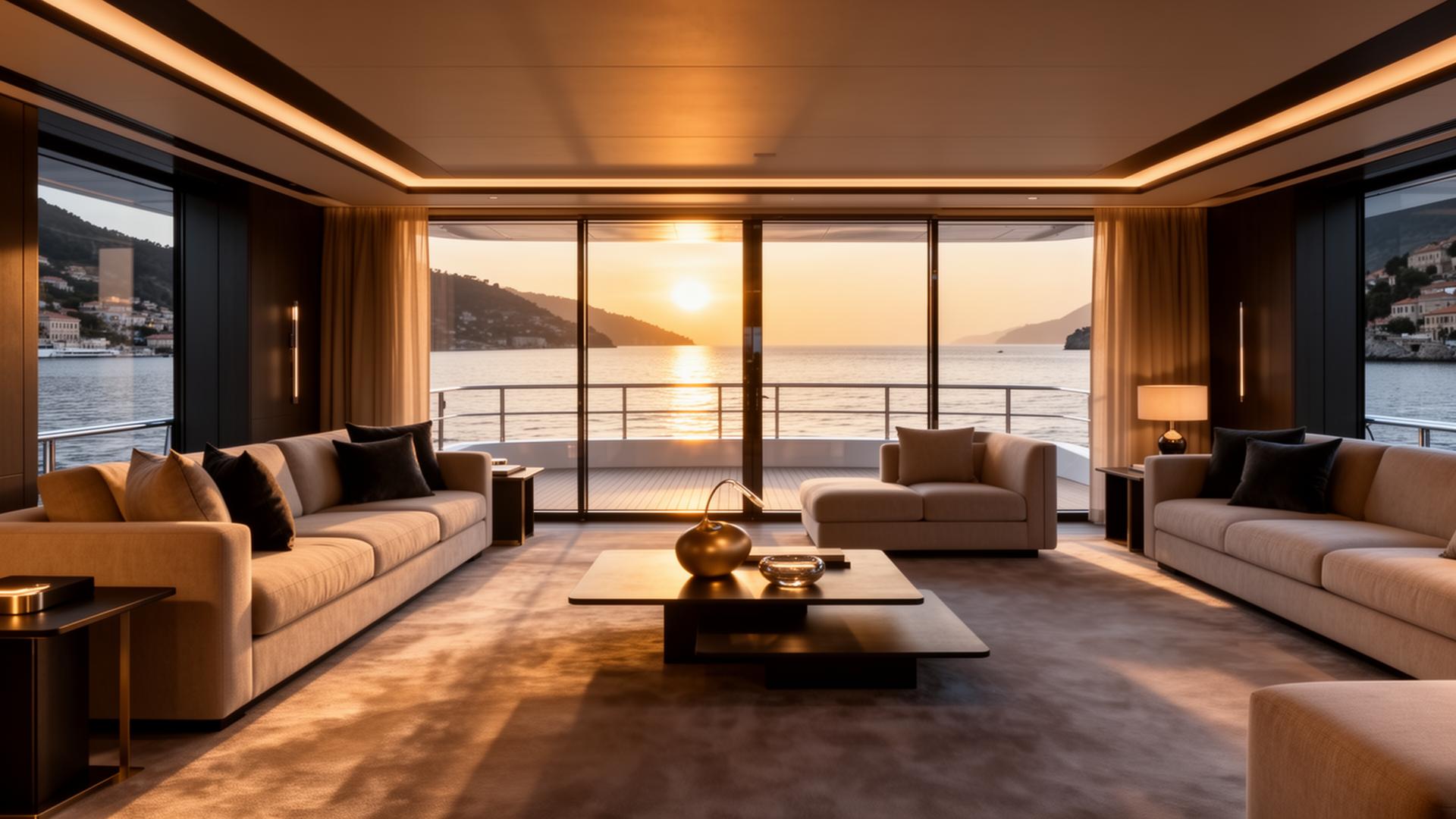
Where Porsche brings restraint and Lamborghini brings spectacle, the Armani name brings something the executive lifestyle rarely admits it is starving for: proportion. Giorgio Armani built a fashion empire on the principle that true luxury whispers rather than shouts — that the most expensive thing in a room is often the most understated. The Armani approach to yacht interiors, carried forward through licensed design collaborations on the water, applies that same grammar to the hull: muted palettes, unbroken sightlines, a refusal to let any single surface compete for attention.
This matters more than it might first appear. A yacht interior designed by a fashion house that built its name on restraint is, in effect, architecture for the nervous system. Open-plan cabins, low horizon sightlines through floor-to-ceiling glass, materials chosen to absorb rather than reflect light — these are not aesthetic choices alone. They are regulation tools. The same instinct that calms a person in a well-designed room is the instinct that lets the head, finally, drop down into the heart.
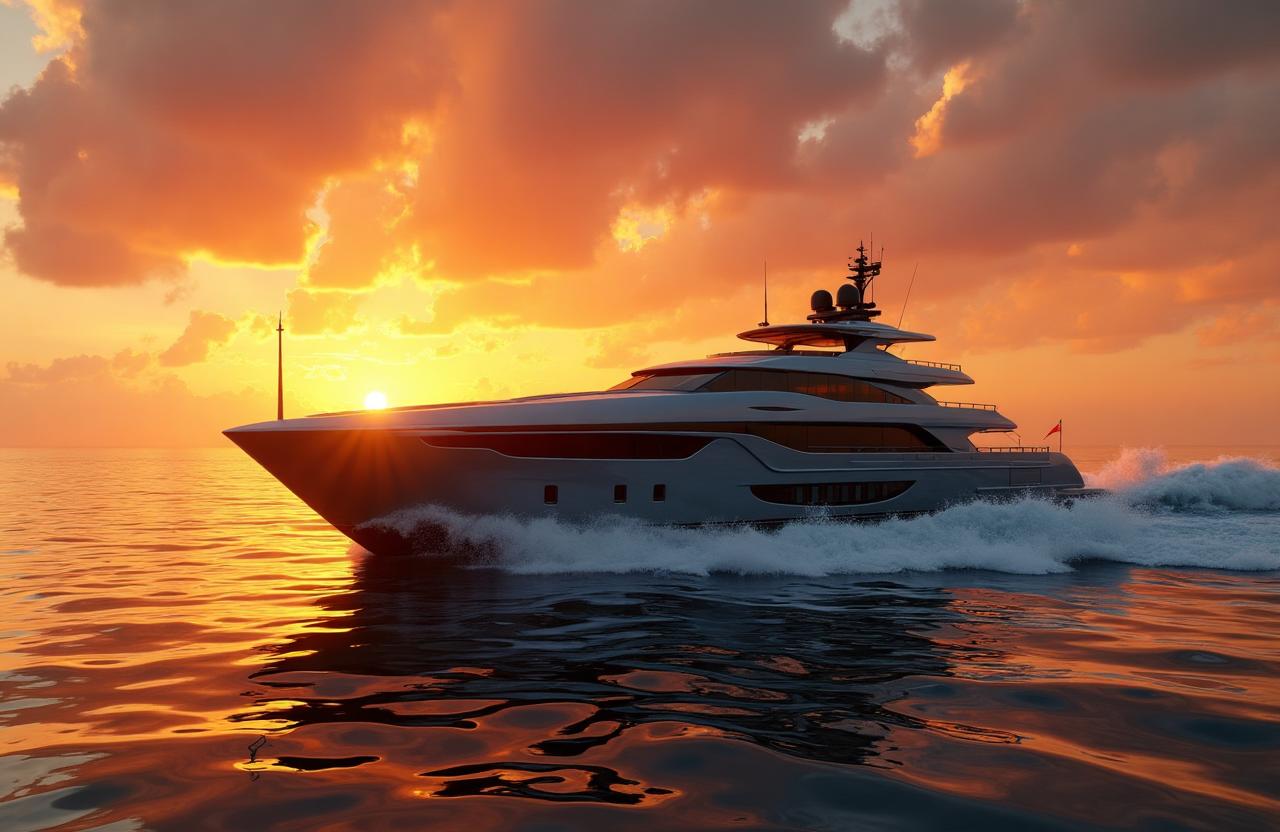
It is no accident that the most photographed yachts of this year's circuit are not the loudest ones. At the season's marquee events, the supercar halls sit beside the superyacht berths — Ferraris, Aston Martins, Lamborghinis and Paganis on land, mirrored by their maritime counterparts in the harbor — and increasingly, the buyers walking that line are choosing interiors that do less, not more.
Chapter IV
The Season's Itinerary, and the Soul's
The 2026 calendar carries its own logic, from the glitz of Monaco to the working precision of Metstrade, with Boot Düsseldorf alone drawing more than 1,500 exhibitors from 67 nations and over 214,000 visitors across sixteen halls. In Florida, the Palm Beach International Boat Show has built its reputation on being navigable rather than overwhelming — a show for the time-poor buyer who wants to see what matters and leave, with last year's edition drawing roughly 55,000 attendees across 600 exhibitors and 1,000 boats.
Consider that for a moment: an entire show built around the recognition that even the wealthiest buyers are exhausted. That the real luxury, even on the dock, is not seeing everything — it is seeing enough, clearly, and going home. That is the Channel in miniature. Not the accumulation of more experience, more horsepower, more square footage of teak. The willingness to stop accumulating and start arriving.
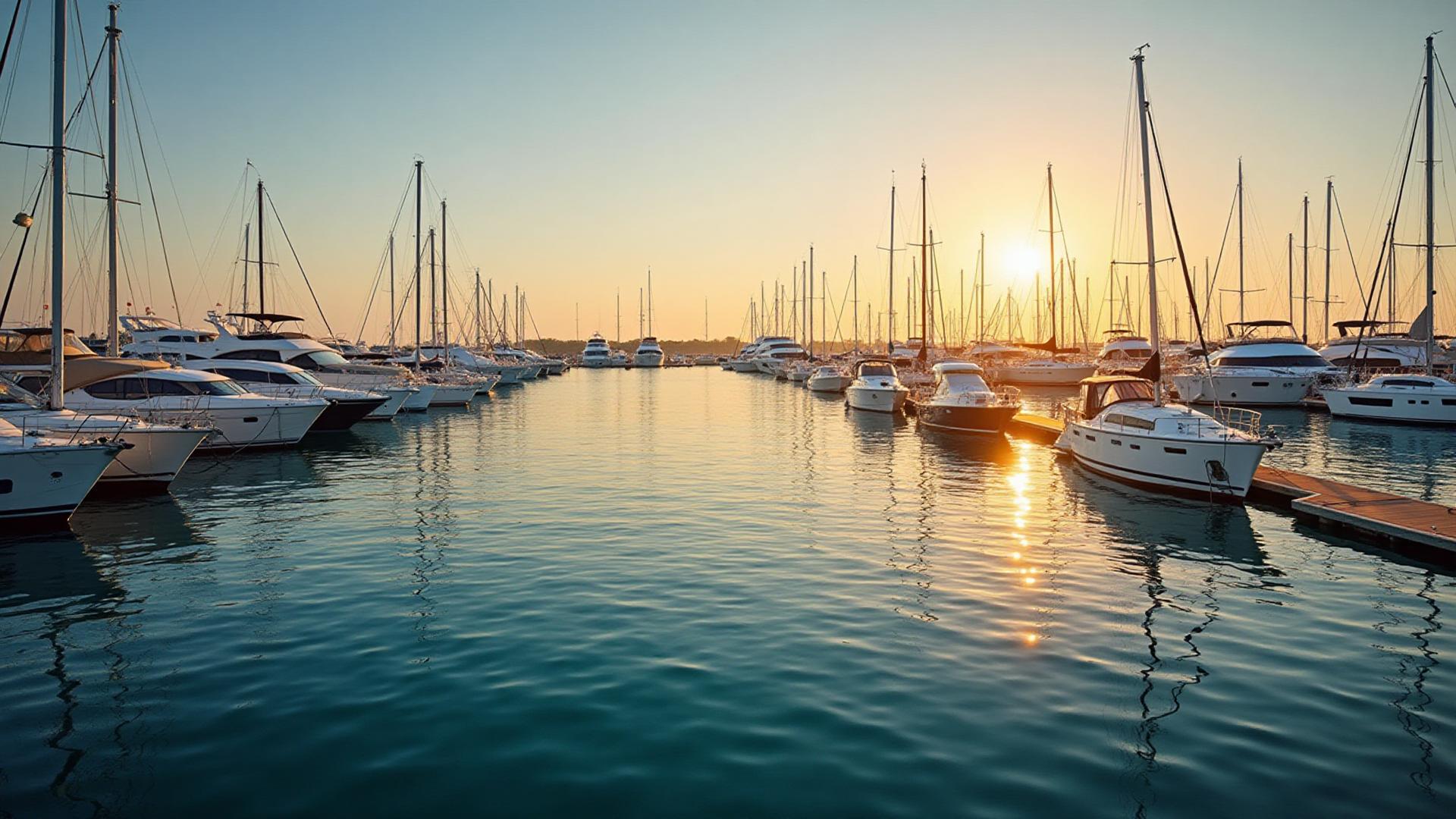
The executive lifestyle, properly understood, was never meant to be a destination. It was meant to be the proving ground — the place where a person with every resource available finally has no more excuses left for avoiding the interior work. You can buy your way to the fastest hull on the water. You cannot buy your way to peace once the engine cuts. That has to be earned the old way: through willingness, through honest reckoning, through the long unglamorous work of letting the channel between the head and the heart finally run clear.
The compass was always the better instrument.
It only took a boat show to remember it.