Kava Communities in America: Clear Channel from Head to Heart
Kava communities in America are experiencing unprecedented growth, transforming how Americans approach social wellness and authentic connection. From coast to coast, kava bars and ceremonial circles offer something increasingly rare in our fast-paced society: genuine human connection and mental clarity without alcohol or caffeine dependency.
The Ancient Root Finds Modern Ground
Kava, derived from the root of Piper methysticum, has been central to Pacific Island cultures for over 3,000 years. In Vanuatu, Fiji, and other Pacific nations, kava ceremonies serve as cornerstones of social and spiritual life, bringing communities together in rituals of sharing, storytelling, and collective reflection. The plant's active compounds, called kavalactones, produce a unique combination of relaxation and mental clarity that has made it invaluable for both ceremonial and daily social interactions.
The migration of kava to American shores began in earnest during the early 2000s, initially taking root in areas with significant Pacific Islander populations, particularly in Hawaii, California, and Florida. However, what started as cultural preservation quickly evolved into something entirely new – a modern American interpretation of ancient communal practices that addresses contemporary social and wellness needs.
The Anatomy of American Kava Culture
Modern American kava bars represent a fascinating fusion of traditional Pacific Island hospitality with contemporary American social innovation. Unlike traditional bars that center around alcohol consumption, kava establishments create environments specifically designed to foster relaxation, conversation, and community building. The atmosphere typically features warm lighting, comfortable seating arrangements that encourage group interaction, and often incorporate elements of Pacific Island décor that honor the plant's cultural origins.
The kava experience itself is distinctly different from conventional social drinking. Rather than the escalating intoxication associated with alcohol, kava provides what regulars describe as "relaxed alertness" – a state where social anxiety diminishes while mental clarity remains intact. This unique effect creates what many patrons call a "clear channel" between thoughts and emotions, allowing for more authentic and meaningful social interactions.
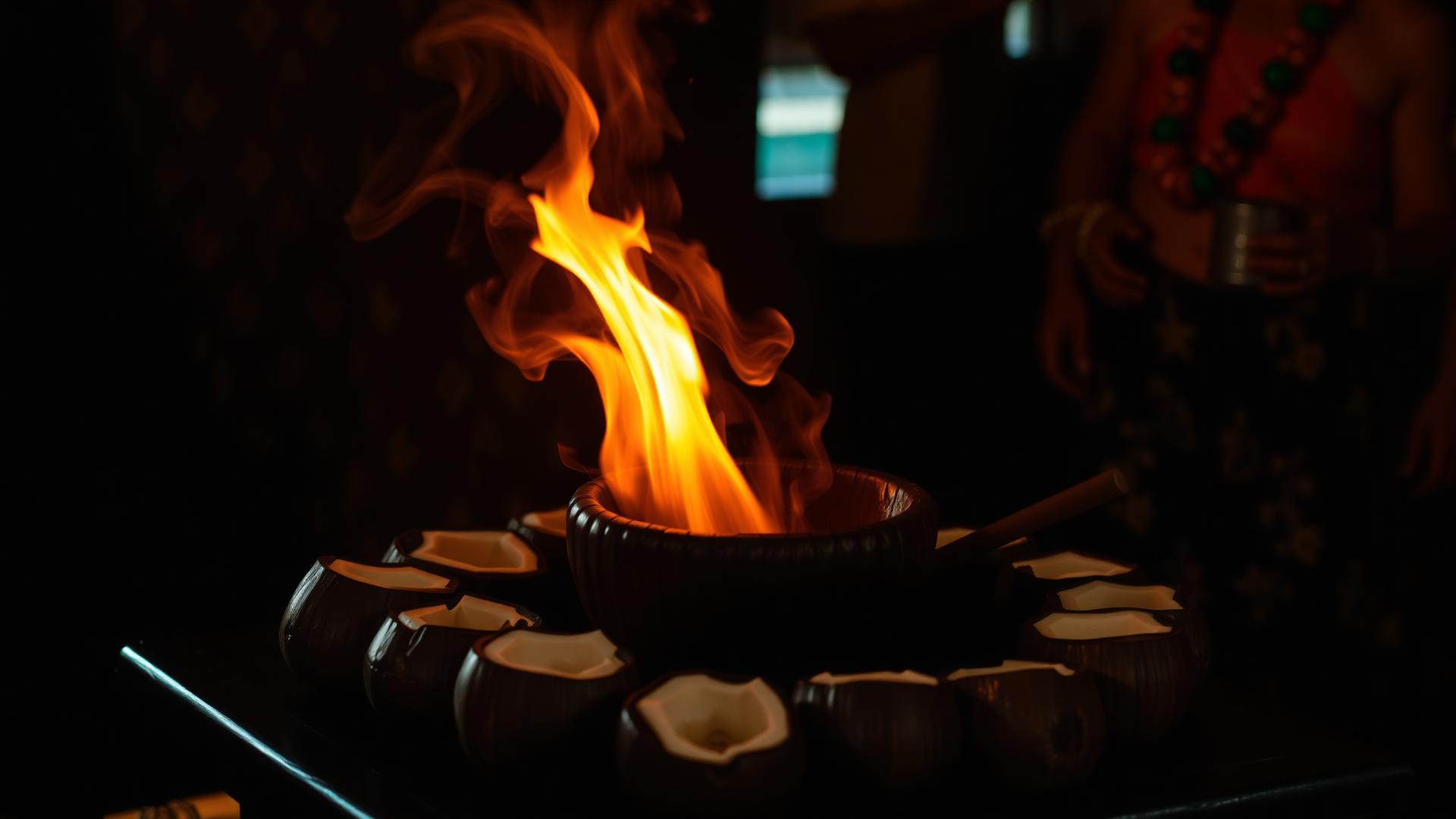
The preparation and consumption of kava in American establishments often maintains ceremonial elements from its traditional roots. Many bars serve kava in coconut shells, maintain the traditional practice of not eating before consumption, and encourage the communal sharing of shells. These rituals help create a sense of reverence and mindfulness that distinguishes the kava experience from casual drinking.
Community Building in the Modern Age
Perhaps the most remarkable aspect of America's kava community is its emphasis on genuine human connection in an increasingly digital world. Kava bars have become gathering places for individuals seeking alternatives to traditional nightlife – people who want to socialize without the negative effects of alcohol, those managing anxiety or stress, and individuals simply looking for meaningful community interaction.
The kava community attracts a diverse demographic that spans age groups, professions, and backgrounds. Young professionals seeking stress relief after demanding workdays share space with retirees exploring new social opportunities. Artists and creatives find inspiration in the plant's ability to quiet mental chatter while maintaining creative flow. Individuals in recovery from alcohol or substance abuse discover a social environment that supports sobriety while still providing relaxation and community.
Regular patrons often describe kava bars as places where authentic conversations flourish. The plant's anxiolytic properties help lower social barriers, encouraging deeper discussions about life, philosophy, personal challenges, and aspirations. Many establishments host events like open mic nights, book clubs, meditation sessions, and community discussions, further cementing their role as cultural and social hubs rather than mere consumption venues.
The Business of Wellness and Connection
The growth of kava bars across America reflects broader cultural shifts toward wellness, mindful consumption, and community-centered experiences. Cities from Portland to Miami now boast multiple kava establishments, each developing its own community identity and regular clientele. These businesses often operate on different economic models than traditional bars, with emphasis on creating comfortable spaces where patrons might spend several hours in community rather than rapidly consuming and leaving.
Many kava bar owners come from backgrounds in wellness, community organizing, or have personal connections to Pacific Island cultures. Their approach to business often prioritizes community building and cultural education over pure profit maximization. This philosophy creates establishments that feel more like community centers than commercial ventures, fostering loyalty and regular attendance among patrons.
The industry has also had to navigate complex regulatory landscapes, as kava occupies a unique position in American law – legal in most states but subject to varying local regulations. This has led to strong advocacy communities and industry organizations working to educate lawmakers and the public about kava's safety profile and cultural significance.
Challenges and Controversies
The growth of kava culture in America has not been without challenges. Concerns about liver toxicity, largely stemming from poorly conducted studies using inferior kava preparations, have led to regulatory scrutiny in some jurisdictions. However, the kava community has responded with increased emphasis on education, quality sourcing, and responsible consumption practices.
Cultural appropriation concerns have also emerged, with some Pacific Islander advocates expressing worry about the commercialization of their sacred plant. Progressive kava bar owners have addressed these concerns by actively supporting Pacific Islander communities, sourcing kava directly from traditional farmers, and educating patrons about the plant's cultural significance and proper respect.
The Future of Kava Community
As kava bars continue to proliferate across America, they represent more than just a new type of social establishment – they embody a growing desire for authentic community, mindful consumption, and alternative approaches to stress management and social interaction. In a society increasingly characterized by digital communication and social isolation, these spaces offer something profoundly valuable: genuine human connection facilitated by an ancient plant ally.
The clear channel from head to heart that kava creates extends beyond individual experience to community formation. These establishments are proving that alternative social models can thrive in American culture, offering spaces where relaxation and clarity coexist, where conversation flows naturally, and where community forms organically around shared values of wellness, authenticity, and mutual support.
As awareness grows and regulatory frameworks evolve, kava bars may well become fixtures of American social life, offering a third way between the intensity of nightlife and the isolation of home – a space where mind and heart align in community with others seeking the same clear channel to connection and peace.
Frequently Asked Questions About Kava Communities
How do I use kava in a community setting?
Kava is traditionally shared in coconut shells with ceremonial respect. Start with small amounts, avoid eating beforehand, and focus on conversation and connection. Most kava communities welcome newcomers and will guide you through proper etiquette and preparation methods.
What should I expect at my first kava community gathering?
Expect a welcoming, relaxed atmosphere focused on authentic conversation. You'll likely experience gentle relaxation without mental impairment, making social interaction feel more natural. Many first-timers are surprised by the depth of connections formed and the sense of community.
Are kava communities safe and legal in America?
Yes, kava is legal in most US states and when sourced properly and consumed responsibly, it has an excellent safety profile. Reputable kava communities prioritize quality sourcing, proper preparation, and education about responsible use. Always choose established communities with good reputations.
How is kava community different from traditional bars?
Unlike alcohol-centered venues, kava communities focus on clarity, authentic connection, and wellness. There's no intoxication or impaired judgment - instead, you experience relaxed alertness that enhances rather than diminishes meaningful conversation and social bonding.
Can I join a kava community if I'm in recovery?
Many people in recovery find kava communities to be supportive, alcohol-free social environments. However, it's important to consult with your healthcare provider and recovery support team before trying kava, as individual circumstances vary and some treatment programs may have specific guidelines.
How do I find kava communities near me?
Search online for "kava bar near me" or "kava lounge [your city]". Many communities also organize through social media groups, meetup platforms, and wellness centers. Start with established kava bars, which often host community events and can connect you with local kava enthusiasts.
Related Articles
Kava Preparation Methods
Learn traditional and modern techniques for preparing kava.
Balanced Living
Explore holistic approaches to wellness and life harmony.
From Mind to Heart
Connect intellectual understanding with emotional wisdom.
Interested in Kava Community?
Learn more about local kava establishments and community events in your area.