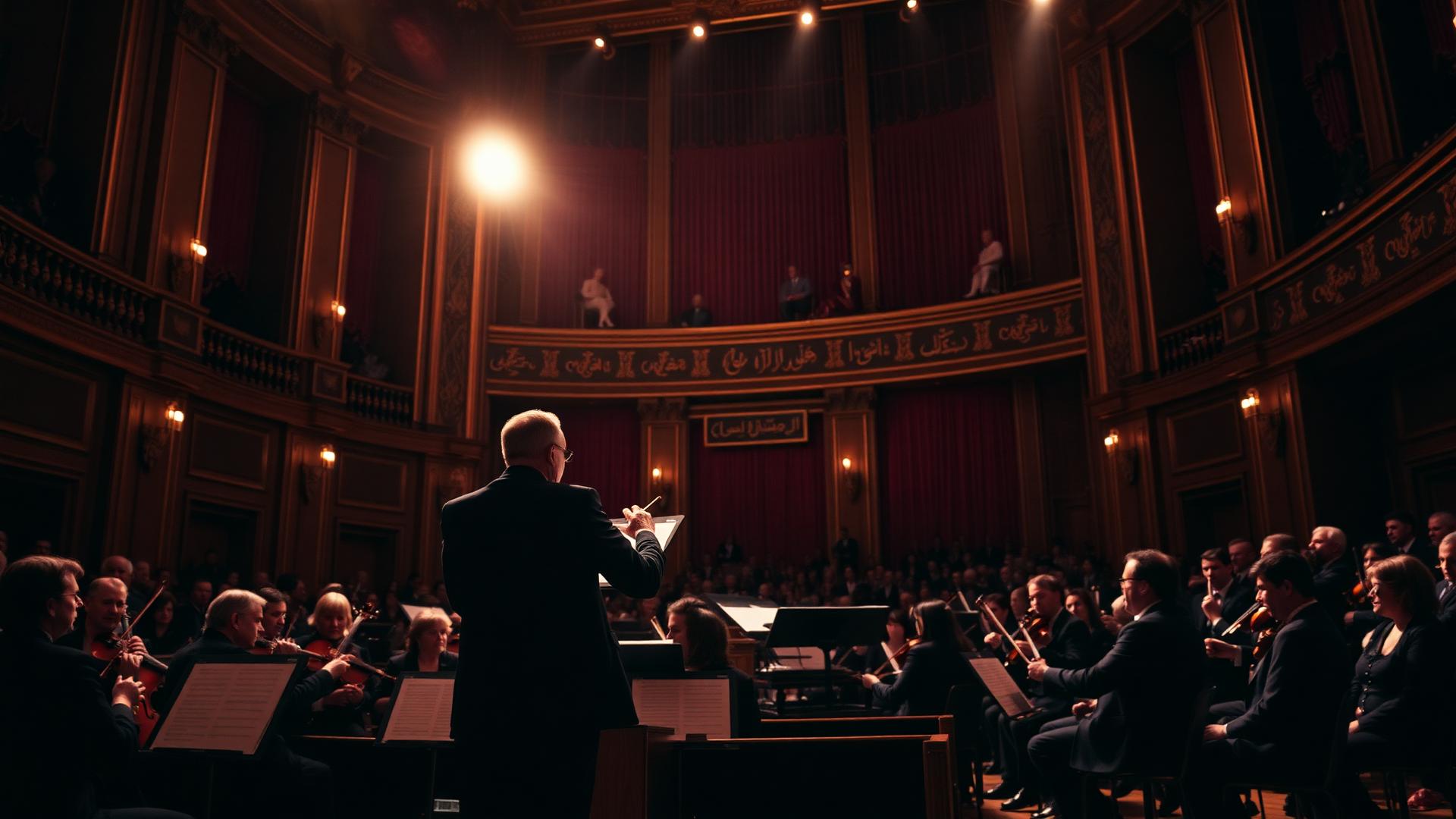
From the Head to the Heart
The Evolving Culture of Symphony Orchestras
For centuries, the symphony orchestra has stood as one of civilization's most refined cultural achievements—a pinnacle of disciplined artistry where dozens of musicians unite to create transcendent sonic experiences. Yet the culture surrounding orchestral music has undergone a profound transformation in recent decades, shifting from an exclusively intellectual pursuit to one that embraces emotional accessibility and human connection. This evolution from "head to heart" represents not just a change in how we experience symphonic music, but a fundamental reimagining of what orchestras mean to their communities.
The Traditional Paradigm
Historically, symphony culture emphasized formality, tradition, and cerebral appreciation. Concert halls were temples of high culture where audiences dressed in evening wear, sat in reverential silence, and withheld applause until the final note faded. Program notes dissected musical structure and compositional technique. The experience was mediated through intellectual understanding—appreciating the craftsmanship of a fugue, recognizing sonata form, or identifying thematic development across movements.
This approach served an important purpose, elevating music as a serious art form worthy of scholarly attention. The great orchestras of the twentieth century—the Vienna Philharmonic, Berlin Philharmonic, New York Philharmonic—built their reputations on technical precision and interpretive sophistication that demanded educated listening. Conductors like Toscanini, Karajan, and Bernstein were revered as intellectual giants who unlocked the architectural secrets of symphonic masterworks.
The shift from head to heart doesn't diminish musical sophistication—it democratizes it, making the transformative power of orchestral music accessible to everyone, regardless of their musical training or background.
Breaking Down Barriers
The transformation began when orchestras recognized that formality was becoming a barrier rather than a bridge. Declining attendance, aging audiences, and competition from more accessible entertainment options forced a reckoning. Progressive orchestras started experimenting with casual concert formats, relaxed dress codes, and pre-concert talks that emphasized emotional connection over analytical dissection.
Musicians began speaking directly to audiences, sharing personal stories about why particular pieces moved them. Conductors stepped down from the podium between works to explain not just what composers did, but what they felt and meant to express. The goal shifted from educating audiences about music to helping them experience music's emotional power directly.
The Heart-Centered Approach
Today's most innovative orchestras embrace a heart-centered philosophy that prioritizes emotional resonance and community connection. They program concerts around themes that reflect universal human experiences—love, loss, hope, struggle, joy. They collaborate with artists from diverse genres, recognizing that musical excellence transcends classical boundaries. They venture beyond concert halls into schools, community centers, hospitals, and public spaces, bringing music directly to people who might never visit a traditional venue.
This approach doesn't reject intellectual engagement; rather, it recognizes that emotion and intellect are inseparable in musical experience. Understanding how Beethoven constructed his Fifth Symphony enriches our appreciation, but the visceral thrill of that opening motif—the feeling of fate knocking at the door—requires no formal training. The heart knows immediately what the mind takes years to learn.
Orchestra as Community
Perhaps the most significant shift involves reconceiving orchestras not as elite institutions preserving museum pieces, but as living communities united by shared passion. Musicians are no longer distant virtuosos but neighbors, teachers, and fellow travelers on an artistic journey. Audiences aren't passive consumers but active participants whose emotional responses complete the creative circuit.
This communal aspect manifests in numerous ways: post-concert gatherings where musicians mingle with audience members, education programs that put instruments in children's hands, community rehearsals open to public observation, and outreach initiatives that address social issues through music. The orchestra becomes a force for connection in an increasingly fragmented world.
The Future Sound
As symphony culture continues evolving, the head-to-heart paradigm points toward exciting possibilities. Virtual reality experiences could transport listeners inside the orchestra, feeling the music physically surround them. Collaborative compositions involving community members could make audiences co-creators. Flexible programming responsive to current events could make orchestras vital commentators on contemporary life.
Yet amidst all this innovation, the essential magic remains unchanged: dozens of human beings breathing together, listening intensely to one another, creating something far greater than any individual could achieve alone. That collective achievement speaks to something fundamental about human nature—our capacity for cooperation, beauty, and transcendence.
The journey from head to heart doesn't diminish the symphony orchestra's greatness; it fulfills it. By opening their arms and their hearts, orchestras reclaim their original purpose: not to impress us with complexity, but to move us with beauty; not to educate us about music, but to remind us of our shared humanity through music. In making this journey, they ensure that the symphony orchestra remains not a relic of the past, but a vital force in our cultural future.
The transformative power of orchestral music continues to evolve, bridging centuries of tradition with contemporary innovation.