Finding Community and Connection: A Journey from Sobriety to the Kava Circle
For twenty-eight years, I've walked the path of sobriety, navigating life without the numbing effects of alcohol. It's been a transformative journey, one that has taught me profound truths about human nature and our fundamental needs. I've come to understand that God gave each of us three essential instincts: the need for social connection, the drive for security, and our sexual nature. These aren't just philosophical concepts—they're the core drives that shape our daily lives and relationships.
But here's what recovery taught me early on: when we try to satisfy these instincts through destructive means—through alcohol, drugs, or other harmful behaviors—we end up more disconnected than ever. The very thing we think is helping us connect actually builds walls between our authentic selves and the world around us.
The Social Instinct and the Isolation Paradox
The social instinct is perhaps the most immediate and pressing of our needs. We are, by design, communal creatures. We crave belonging, acceptance, and the warmth of genuine human connection. Yet modern society often pushes us toward artificial forms of connection. For many, alcohol becomes the social lubricant that supposedly makes interaction easier, more fun, more bearable.
I know this pattern intimately. Before sobriety, alcohol seemed like the bridge to connection. In reality, it was a barrier—a chemical wall that kept my true self hidden while projecting a false version that felt safer to share. The irony is profound: we drink to feel less alone, but we end up more isolated than ever, trapped behind a haze that separates us from authentic human experience.
Recovery taught me that true connection requires vulnerability, and vulnerability requires presence. You cannot be truly present when you're altering your consciousness. You cannot be vulnerable when you're hiding behind a substance.

Clearing the Channel: From Head to Heart
One of the most powerful metaphors in my recovery journey has been the idea of clearing a channel from the head to the heart. For so many years, I lived entirely in my head—overthinking, analyzing, protecting myself with intellectual barriers and chemical ones. The journey to the heart, to genuine feeling and authentic connection, required clearing away the debris of addiction and fear.
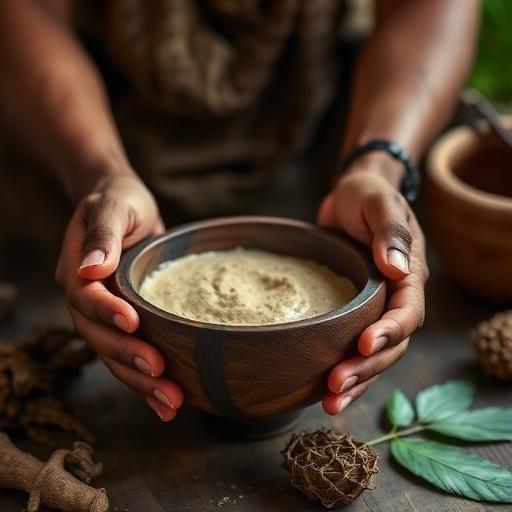
This is where the kava community entered my life and became something I can only describe as a calling. Kava, a traditional Pacific Island beverage made from the root of the Piper methysticum plant, offers something remarkably different from alcohol. It relaxes without intoxicating, calms without numbing, and most importantly, opens pathways to conversation without closing doors to authenticity.
The kava bar became my mission field, my place of service. Here was an opportunity to carry a message of hope and connection to others seeking alternatives to alcohol culture. Here was a space where people could gather, socialize face-to-face, and build genuine community without the destructive consequences of drinking.
Meeting Wonderful People: The Gift of Authentic Community
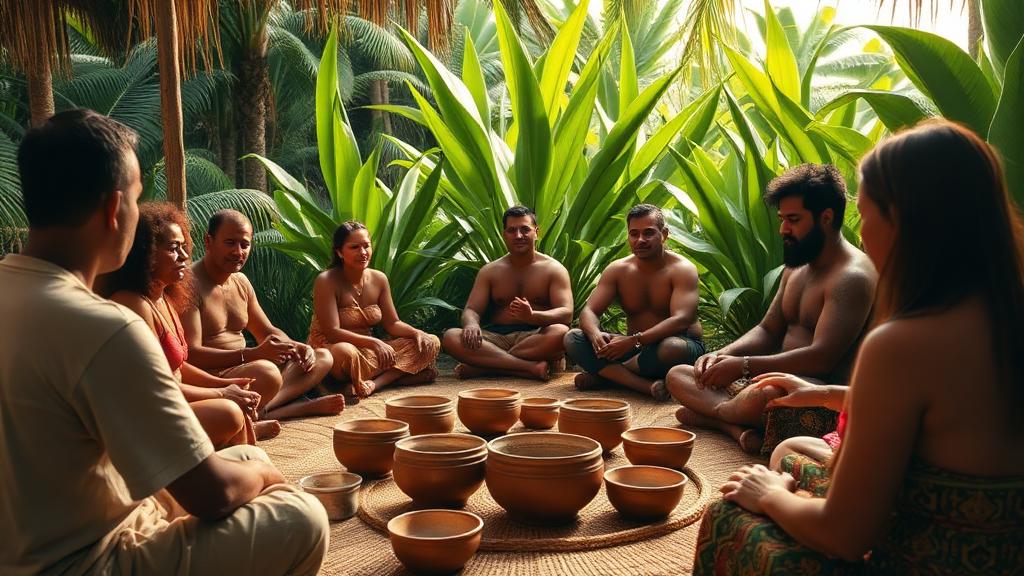
What has emerged in the kava community has exceeded my wildest expectations. I've encountered some of the most talented, creative, and genuinely wonderful people I've ever met. Artists, musicians, entrepreneurs, philosophers, recovering addicts, and people simply seeking healthier ways to unwind and connect—all gathering in these spaces that prioritize presence over intoxication.
The social acceptance found in kava circles is different from what I experienced in bars or even some traditional recovery settings. There's no pressure to be anything other than yourself. There's no competition to see who can drink the most or party the hardest. Instead, there's conversation—real, deep, meaningful dialogue about life, dreams, struggles, and triumphs.
I've watched shy individuals blossom into confident storytellers. I've seen people struggling with social anxiety find their voice in the gentle, accepting atmosphere of the kava circle. I've witnessed friendships form that have supported people through job losses, relationship challenges, health crises, and personal transformations. This is community in its truest sense.
The Three Instincts in Balance
What the kava community has shown me is how all three of our God-given instincts can be honored in healthy ways. The social instinct is fulfilled through genuine face-to-face interaction and authentic belonging. The security instinct finds peace in knowing you're in a safe space where you won't make decisions you'll regret, where you won't compromise your values or your sobriety, and where you're surrounded by people who respect boundaries.
Even our sexual nature—our drive for intimacy and connection—finds healthier expression when we're fully present and authentic. Real attraction and genuine intimacy can only flourish when both people are showing up as their true selves, unaltered and unashamed.
Carrying the Message Forward
After twenty-eight years of sobriety, I understand that recovery is not just about what you stop doing—it's about what you start building. The kava community has become my way of building something positive, of creating spaces where others can find what I found: a path to genuine connection that doesn't require sacrificing consciousness or authenticity.
This is my calling—to help create and support communities where people can satisfy their social instincts in healthy ways, where talented and wonderful people can find acceptance and belonging without alcohol, and where the channel from head to heart remains clear and open. Every conversation, every new face that walks through the door seeking an alternative, every person who discovers they can socialize without drinking—these are the moments that give meaning to my journey.
The three instincts God gave us are powerful forces. When honored and expressed in healthy ways, they lead us toward wholeness, connection, and purpose. When distorted by addiction and unhealthy behaviors, they lead us toward isolation and despair. The kava community represents a middle path—a way to gather, connect, and belong while remaining fully present and authentic.
For anyone seeking an alternative to alcohol culture, for anyone in recovery looking for community, for anyone who simply wants to socialize in a more conscious and connected way—spaces like the kava community offer hope and possibility. They prove that we don't need to alter our consciousness to enjoy each other's company, that genuine connection is not only possible but more rewarding when we show up as our whole, authentic selves.
Twenty-eight years sober has taught me this: the greatest gift we can give and receive is authentic human connection. And sometimes, that gift is best shared over a bowl of kava, face-to-face, heart-to-heart, in community.