WTF
Why the feelings we feel, and dealing with them without picking up.
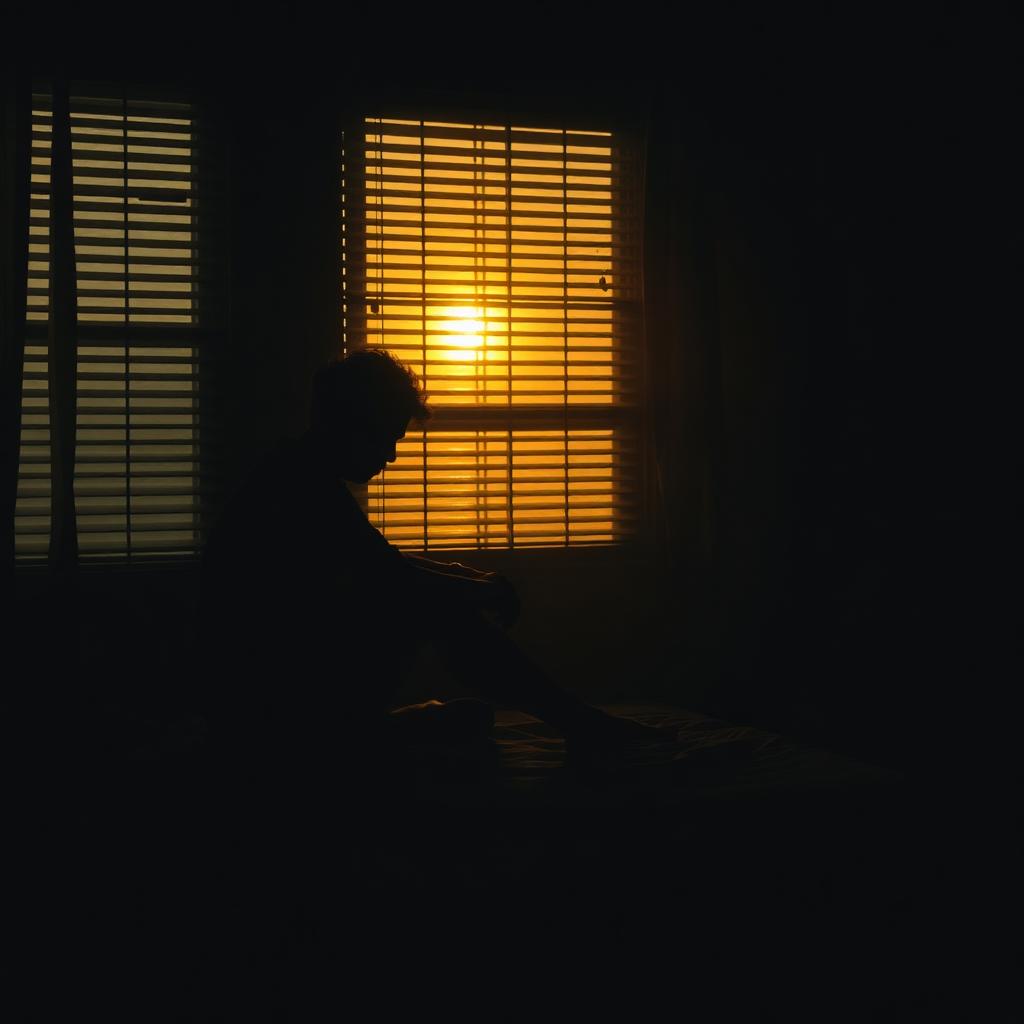
Every person in recovery knows the moment. Something lands — a rejection, a memory, a phone call you didn't want to take — and before you've had a single conscious thought about it, the feeling is already there. It's in your chest, your jaw, your stomach. And right behind it, close enough to touch, is the old, familiar question: what am I supposed to do with this?
For a long time, the answer was simple, even if it was killing you. You picked something up. A drink, a pill, a needle, a plate of food you didn't want, a phone you couldn't put down. It didn't matter what the substance or the behavior was — what mattered was that it worked. For a few minutes, or a few hours, the feeling went quiet. That's the whole transaction. That's the entire architecture of addiction: an unbearable feeling, and a reliable way to make it stop being unbearable.
So when that feeling shows up now — sober, clean, doing the work — and there's nothing to pick up, the honest reaction is often just: WTF. What is this. Why is it here. Why is it this strong. Why now. It's not a polished, spiritual question. It's a gut-level, four-letter reaction to being asked to sit inside your own skin without an exit.
The Feeling Was Never the Enemy
Here's what recovery slowly teaches, usually the hard way: the feeling itself was never the problem. The problem was the belief that a feeling had to be managed, medicated, or made to disappear the moment it arrived. Somewhere along the way, most of us learned — from family, from culture, from our own private pain — that feelings were dangerous. That anger meant something bad was about to happen. That sadness meant weakness. That fear meant you'd better do something, fast, to make it stop.
The Stoics understood this differently. Epictetus taught that it is not events themselves that disturb us, but our judgments about them. The feeling arrives — that's simply what it is to be human and awake. What we do next is where the real work, and the real freedom, lives. The wave comes whether we want it or not. Whether we drown, freeze, or swim is a different matter entirely.
The Buddhist tradition offers something similar, and gentler: feelings are weather, not identity. They arise, they crest, they pass — if we let them. What keeps a feeling stuck isn't its intensity. It's our resistance to it, our story about it, our frantic attempt to make it leave before it's finished saying what it came to say.
You are not required to fix a feeling.
You are only required to feel it, and stay.
From the Head to the Heart
The head wants to solve the feeling. It wants a reason, a fix, a plan, an exit. The head says: name it, rank it, medicate it, distract from it, argue with it. This is not wrong — the head has its place. But feelings don't live in the head. They live in the body, in the heart, in the nervous system. And they will not be talked out of existence. They have to be felt, in the place where they actually reside, before they will move on.
This is the real, unglamorous work of a program: learning to let a feeling be present in the body without translating it immediately into an action. Learning that "I feel like I might die" and "I am actually dying" are two very different sentences. Learning that discomfort, even intense discomfort, is survivable — because it has always, every single time before, ended.
Hebrew scripture puts language to this directly. The Psalms are, among other things, a permission slip for the full range of human feeling — rage, grief, terror, doubt, even something close to despair — spoken honestly to God rather than stuffed down or acted out. How long, O Lord, will you forget me forever? is not a polished, composed prayer. It's a WTF prayer. And it's still in the book. Nothing was too raw to be brought forward. Nothing had to be resolved before it could be spoken.
What Dealing With It Actually Looks Like
Practically, this means a few unglamorous things. It means naming the feeling out loud, or on paper, before doing anything else — not "I'm fine" but the actual word: angry, humiliated, terrified, ashamed. It means calling someone before the feeling has had time to calcify into a decision. It means moving the body — a walk, a run, even just standing up and shaking out the hands — because feelings are physiological events, and the body often needs to complete what it started before the mind can settle.
It means sitting still for longer than is comfortable. Not because stillness is magic, but because most feelings, given ten honest minutes without a substance to interrupt them, begin to change shape on their own. They rarely stay at their original intensity. What we were taught to fear as unbearable is, in practice, almost always bearable — for exactly as long as it takes to move through it.
And it means forgiving yourself, repeatedly, for how unnatural this all feels at first. Nobody sits with a feeling gracefully the first hundred times. The old reflex — fix it, flee it, feed it — doesn't disappear because you got a chip or a certain number of days. It fades because you practiced something different, again and again, until the new way became more familiar than the old one.
The Quiet Reward
What waits on the other side of this practice isn't the absence of feeling. It's something better: the trust that you can feel anything and still be standing afterward. That trust is not built in the head. It's built in the heart, one honestly felt, un-medicated feeling at a time. WTF stops being a cry of alarm and starts being simply a description of being alive — undefended, unmanaged, and finally, unafraid of your own experience.